Choose Electronics Recycling for Data Protection
Breaking Down E-Waste: Key Myths and Facts About Recycling
E-waste is a growing concern in today's digital age. Many people hold misconceptions about the recycling process. Widespread assumptions indicate that e-waste cannot be recycled or that disposal options are limited. These myths can hinder effective recycling efforts and exacerbate environmental damage. Understanding the realities of e-waste management is essential. What are the actual impacts on the environment, and how can individuals contribute to a more sustainable future? Examining these concerns uncovers important findings.
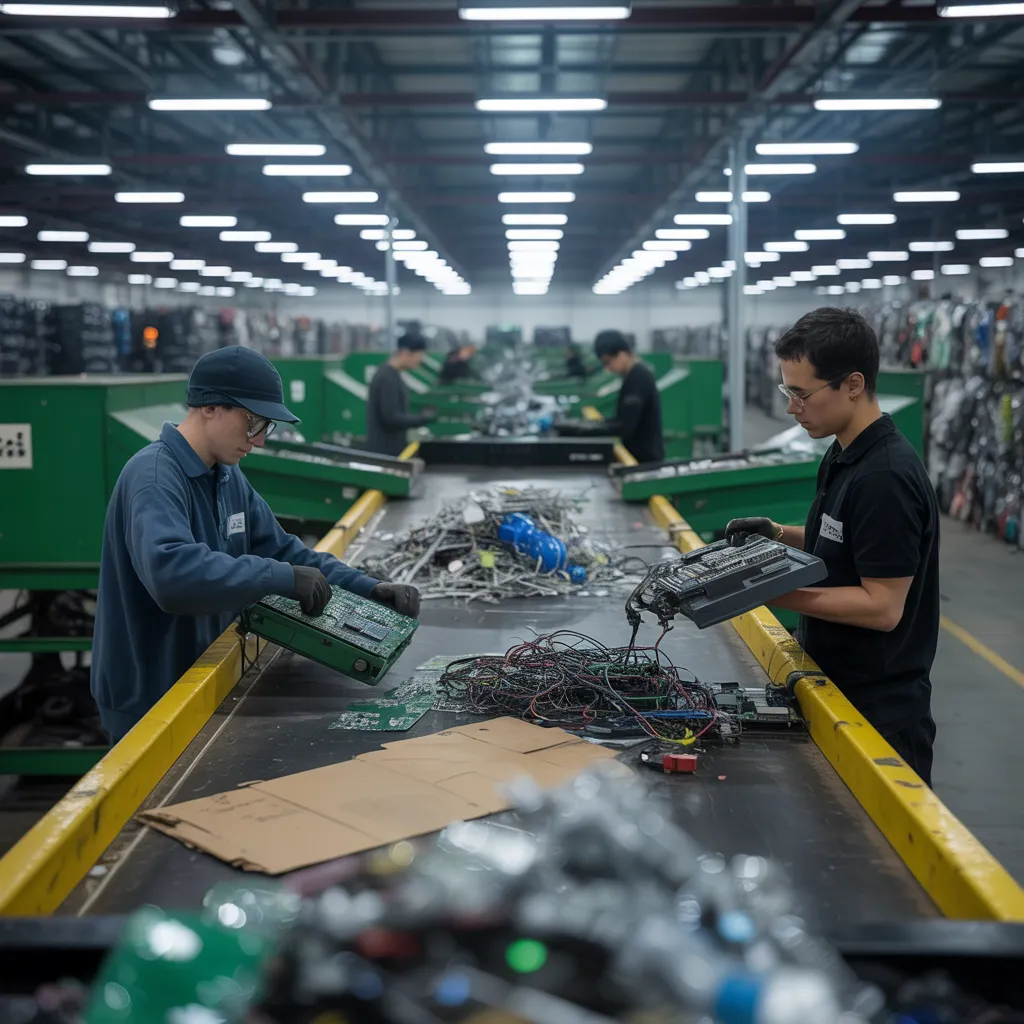
Unpacking E-Waste: What It Involves and How to Manage It Responsibly
Electronic waste, commonly known as e-waste, is defined as unwanted electrical equipment such as computers, mobile phones, and televisions. This category of waste is rapidly increasing due to the fast-paced evolution of technology, resulting in considerable environmental challenges. Numerous electronic products harbor dangerous substances including lead, mercury, and cadmium, which may present dangers to public health and natural ecosystems if not properly discarded.
Proper management of electronic waste requires recycling via certified programs that ensure safe handling and processing. Various local and national organizations offer collection events, drop-off centers, and mail-in recycling options. Individuals are advised to look for certification marks, such as R2 or e-Stewards, to verify that their e-waste is handled responsibly. In addition, donating functioning devices can extend their life cycle while reducing waste. By gaining knowledge about e-waste and implementing appropriate disposal techniques, individuals can support a more sustainable future and lessen environmental consequences.
Dispelling Common Misconceptions About E-Waste Recycling
How can common misconceptions about e-waste recycling hinder effective disposal practices? Misconceptions about e-waste recycling frequently result in improper disposal methods, ultimately worsening the situation. A common myth is that all e-waste can be recycled, which may encourage complacency. In reality, not all components can be processed effectively, and some may require specialized handling. Another misconception is that recycling e-waste is too complicated or costly, deterring individuals from participation. As a matter of fact, a great many communities make available accessible and cost-free recycling programs. Additionally, the belief that e-waste simply ends up in landfills undermines the significant efforts of recycling organizations that prioritize responsible processing. These myths not only misinform the public but also impede the collective effort needed to manage e-waste sustainably. Tackling and dispelling these misconceptions is vital for promoting responsible consumer behavior and improving the overall effectiveness of e-waste recycling efforts.
What Environmental Damage Occurs When E-Waste Goes Unrecycled
Failing to recycle e-waste creates major risks for the environment. When electronic equipment is thrown away carelessly, toxic substances including lead, mercury, and cadmium may contaminate soil and water sources, resulting in serious environmental pollution. These harmful materials endanger both wildlife and human health, disrupting ecosystems and contaminating food sources.
Moreover, the growing presence of e-waste in landfills accelerates the erosion of natural resources. Precious metals and materials that might otherwise be recovered and repurposed are squandered, amplifying the demand for new mining operations, which continues to damage the environment. Furthermore, the carbon footprint linked to manufacturing new electronics is intensified, as raw materials are sourced and manufactured.
Proper Methods for Recycling Your Old Electronics
Regarding managing unwanted electronic equipment, various reliable approaches exist for people. Local recycling programs often provide secure methods for disposal, making certain that all materials undergo proper processing. Additionally, charitable giving of working electronics can maximize their usefulness as well as helping people who may lack access to such technology.
Area Recycling Schemes
Numerous communities currently provide local recycling programs designed specifically for the proper discarding of outdated electronic equipment. Such initiatives are focused on reducing electronic waste by providing accessible drop-off locations and planned pickup events. Residents can often find guidelines on acceptable items, making certain that harmful substances are responsibly controlled. Neighborhood recycling efforts frequently work alongside licensed e-waste disposal specialists, who comply with ecological guidelines to retrieve precious materials and properly handle toxic components. Some programs also offer incentives, such as discounts on new electronics, to motivate resident engagement. By making use of these neighborhood resources, individuals can contribute to environmental sustainability while guaranteeing their outdated equipment is processed safely and efficiently. Awareness of these options is essential for responsible e-waste management.
Giving Options Available
Local recycling programs not only provide a means for proper disposal but also create opportunities for donating old electronics. Numerous organizations welcome working devices, including computers, smartphones, and tablets, which can be redirected for educational or philanthropic purposes. Educational institutions, non-profit organizations, and community hubs frequently accept these contributions, guaranteeing that useful technology is delivered to those who require it. Moreover, select manufacturers and retailers run trade-in schemes, permitting individuals to exchange aging devices for store credit, which supports sustainable consumption. It is necessary to explore available local choices and ensure that the recipient organization complies with responsible recycling guidelines. By donating instead of discarding, individuals can extend the lifecycle of electronics while supporting their community's technological needs.
How Recycling E-Waste Can Benefit You and the Environment
Though frequently underappreciated, e-waste recycling provides significant advantages for both households and the ecosystem. By correctly processing e-waste, individuals can guarantee that valuable materials, such as metallic and plastic components, are recovered and reused, reducing the need for raw material extraction. This not only safeguards environmental resources but also limits harmful emissions associated with industrial and processing operations.
Additionally, e-waste recycling serves to keep harmful materials, such as mercury and lead, from contaminating water sources and soil. By diverting e-waste from landfills, communities are able to reduce significant health dangers to both people and the natural environment.
Furthermore, taking part in e-waste recycling can create economic advantages, as the recycling industry stimulates job growth and strengthens local financial growth. When all is considered, responsible e-waste management cultivates a sustainable future, enhancing individual well-being, the natural world, and the broader economy as well. Understanding these benefits can encourage more community members to take part in e-waste recycling programs.
Finding Local E-Waste Recycling Programs Near You
How do people go about finding e-waste recycling programs in their community? A variety of resources are available to assist in this endeavor. Local governments often maintain websites listing authorized recycling facilities. These sites typically include details on accepted materials and any associated fees. Furthermore, organizations like Earth911 offer searchable online databases that enable users to discover local e-waste drop-off points by inputting their zip codes.
Local events, such as e-waste collection days, are often coordinated by municipal bodies or community groups, supplying easy alternatives for proper waste management. Technology stores may also engage in waste reduction efforts, accepting unwanted devices for correct treatment. Additionally, state-level ecological departments often extend assistance on digital waste disposal and can refer residents to credible recycling options. By taking advantage of these options, people can ensure their e-waste is handled in an environmentally responsible manner, contributing to environmental sustainability.
Frequently Asked Questions
Should E-Waste Be Repaired Rather Than Recycled?
Electronic waste can often be repaired as an alternative to recycling, based on the device's condition and availability of parts. Fixing increases the useful life of the device and minimizes the environmental footprint, providing a sustainable alternative to traditional recycling methods.
What Types of Electronics Are Considered E-Waste?
E-waste consists of disposed electronic devices like tablets, computers, smartphones, printers, televisions, and appliances. These devices often contain dangerous materials, making their proper disposal and recycling essential for environmental protection and public health.
Are There Legal Requirements Governing E-Waste Disposal?
Absolutely, there are laws and regulations overseeing e-waste disposal. Multiple regions and nations establish legal measures to safeguard appropriate recycling and management, with the goal of lessen environmental consequences and encourage responsible handling of discarded electronics through established standards and guidelines.
What Are the Safe Ways to Store E-Waste Prior to Recycling?
To safely store e-waste before recycling, it is recommended that individuals keep their devices in a cool, dry area, remove all power sources, and utilize durable containers to avoid damage. Make sure to label each item clearly to facilitate proper disposal when Visit here needed.
What Certifications Are Important to Look for in E-Waste Recyclers?
When evaluating electronic waste recyclers, people should seek out certifications such as R2 (Responsible Recycling), e-Stewards, and ISO 14001. These credentials guarantee conformance to environmental guidelines and proper management of e-waste during the entire recycling process.